


What kinds of charcuterie exist in Europe?
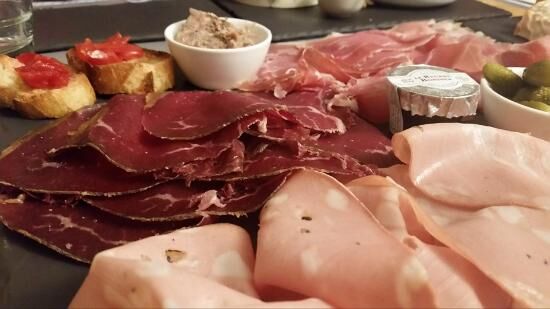
European charcuterie is varied; there are several different types of charcuterie, ranging from sausages to rillettes, via hams and saucissons. Some of these varieties are more popular in certain regions, but all are available throughout Europe.
Europe is renowned for its varied gastronomy and traditional charcuterie-making methods. Charcuterie is a generic term referring to a variety of salted and smoked food products made from meat, game, poultry and even fish. These products are hugely popular throughout Europe and have been eaten for centuries.
How is charcuterie prepared in Europe?
European charcuterie is generally prepared using lean meats and animal fats, such as pork, beef, mutton or chicken. The meats are minced and mixed with spices and herbs, then shaped into moulds and cooked. The charcuterie is then smoked, dried or salted to preserve it. In some regions, charcuterie is also smoked using aromatic wood.
What are the traditional methods for making charcuterie in Europe?
Making European charcuterie is an art that goes back centuries. Traditional charcuterie-making methods are very varied and include salting, smoking, drying and fermentation. Each method has its own advantages and drawbacks and produces different flavours.
Salting is one of the oldest methods of making charcuterie. The meat is salted using salt, sugar, herbs and spices, then placed in an airtight container and left to mature for several days. This method is used to produce salted products such as ham, sausage and bacon.
Smoking is another method of making European charcuterie. The meat is smoked over a wood fire or other fuel, which gives it a smoky taste and a dark colour. This method is used to produce products such as saucisson and blood sausage.
What are the main ingredients used in European charcuterie?
- Meat: this is the main base ingredient in European charcuterie, whether pork, poultry or game. The meat is generally minced, but can also be smoked, dried or salted.
- Spices and herbs: these are generally used to give the product more flavour and depth. The main spices and herbs used include pepper, chilli, paprika, garlic, rosemary and thyme.
- Vegetables: certain vegetables are used to give European charcuterie more texture and flavour. The main vegetables used include onions, carrots, peppers, celery and garlic.
- Dried fruit: certain dried fruits are also used to give European charcuterie more flavour and texture. The main dried fruits used include raisins, dried figs, dried apricots and prunes.
- Dairy products: certain dairy products are also used to give European charcuterie more texture and flavour. The main dairy products used include butter, cheese and cream.
As such, European charcuterie is an excellent source of protein, fat and carbohydrates.
Examples of European charcuterie
- Parma ham (Italy)
- Prosciutto (Italy)
- Bayonne ham (France)
- Kabanos (Poland)
- Bierschinken (Germany)
- Salami (Italy)
- Krakauer (Poland)
- Cervelas (France)
- Rillettes (France)
- Speck (Austria)
- Culatello (Italy)
- Chorizo (Spain)
- Jamón Ibérico (Spain)
- Fuet (Spain)
- Morcilla (Spain)
- Lomo Embuchado (Spain)
- Sobrasada (Spain)
- Butifarra (Spain)
- Longaniza (Spain)
- Vienna sausage (Italy)
- Coppa (Italy)
- Pancetta (Italy)
- Bresaola (Italy)
- Salami Milano / Napoli / Calabrese / Toscano / Finocchiona / Genovese (Italy)
- ....
Receive our new products, our tips and our promotions directly in your email box
You may well receive a surprise when you subscribe... 🤞
We will only send you information related to our site, only twice a month, and you can unsubscribe at any time!